Enhancing Pilot Training: Empowering AI for Adaptive Learning Applications
Transforming eVTOL Training with Data Insights
Electric Vertical Take-Off and Landing (eVTOL) aircraft represent cutting-edge technology that offers a sustainable mode of transportation. As the aviation industry encounters significant workforce shortages due to cost, time, and limited access to training resources, innovative solutions are essential.
Systems Technology, Inc. (STI) and AI Redefined (AIR) formed a strategic partnership to redefine eVTOL training with a data-driven approach. This collaboration focuses on leveraging data insights to improve training processes, reduce time and costs, optimize efficiency, and ensure compliance with safety regulations. AIR’s Cogment Adaptive Learning platform utilizes artificial intelligence to analyze learner performance, deliver personalized feedback, and create tailored training materials.
By integrating simulation-based training with AI insights, this platform empowers learners to experience flexible, self-paced training. This shift from traditional time-based models to performance-based assessment maximizes learning outcomes and ensures that the training programs meet the industry’s dynamic needs.
The Rise of Electric Vertical Take-Off and Landing (eVTOL) Aircraft
By 2050, it is projected that two-thirds of the world’s population will live in urban areas. With the anticipated increase in the demand for better transportation systems, eVTOL aircraft present an innovative solution. Establishing flexible transit routes, they help the passengers to avoid traffic congestion while operating with minimal noise and emissions.
However, the industry simultaneously confronts critical workforce shortages in aviation. By 2028, approximately 60,000 fully qualified pilots will be needed to support aggressive growth targets for this industry. This highlights the urgent need for efficient, adaptable training solutions that can effectively educate the future workforce.

Driving eVTOL Training Innovation with AI Redefined (AIR)
In November 2023, STI and AIR announced a key partnership focused on improving training for eVTOL aircraft. With over 65 years of expertise in dynamics and controls, STI has been a trusted partner to industry leaders, including NASA, the FAA, and the U.S. Department of Defense.
This partnership aims to redefine the training landscape for pilot training by integrating adaptive learning technologies with artificial intelligence and sophisticated simulation tools. The goal is to provide pilots with an immersive, realistic training environment that reinforces skills development through tailored feedback and targeted content recommendations.
Advancing Training with Cogment Adaptive Learning
The Cogment Adaptive Learning platform seamlessly integrates with simulation-based learning environments to deliver personalized training experiences.
As students participate in flight simulation exercises, the platform leverages artificial intelligence to analyze performance, provide constructive feedback, and generate customized training materials tailored to individual needs. This approach enhances skill development and training efficiency.
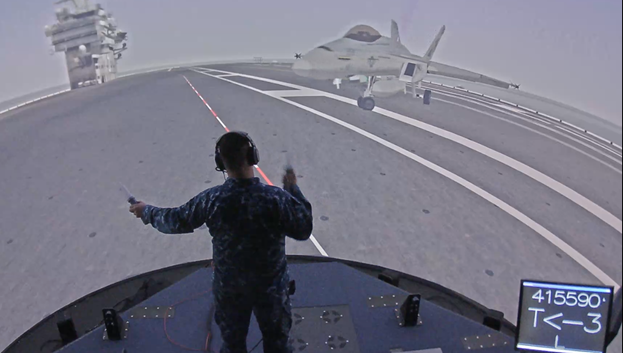
AIR and STI collaborated to develop a proof of concept using Cogment Adaptive Learning for eVTOL pilot training, specifically focusing on the hover-to-land maneuver. This simulation is fully integrated with a piloted flight simulator, offering a realistic training scenario. The platform facilitates learning by:
- Assessing performance and providing actionable feedback.
- Recommending new content to target areas needing additional practice.
Optimizing Learning with AI-Driven Performance Feedback
During simulation exercises, the AI-Evaluator monitors student performance to provide assessment and feedback in real-time. This AI-driven system compares student performance against a benchmark to determine optimal task execution, identifying deviations from desired performance. It offers both qualitative and quantitative feedback.

Key Features:
- Online coaching support: Real-time feedback to correct behaviors that lead to errors.

- Offline replay and debriefing: Comprehensive review of the entire training session, including detailed performance summaries and areas needing improvement.
- Origin of error analysis: Investigation of behaviors leading to errors, providing insights into error origins and consequences.
Tailored Practice Recommendations for Skill Enhancement
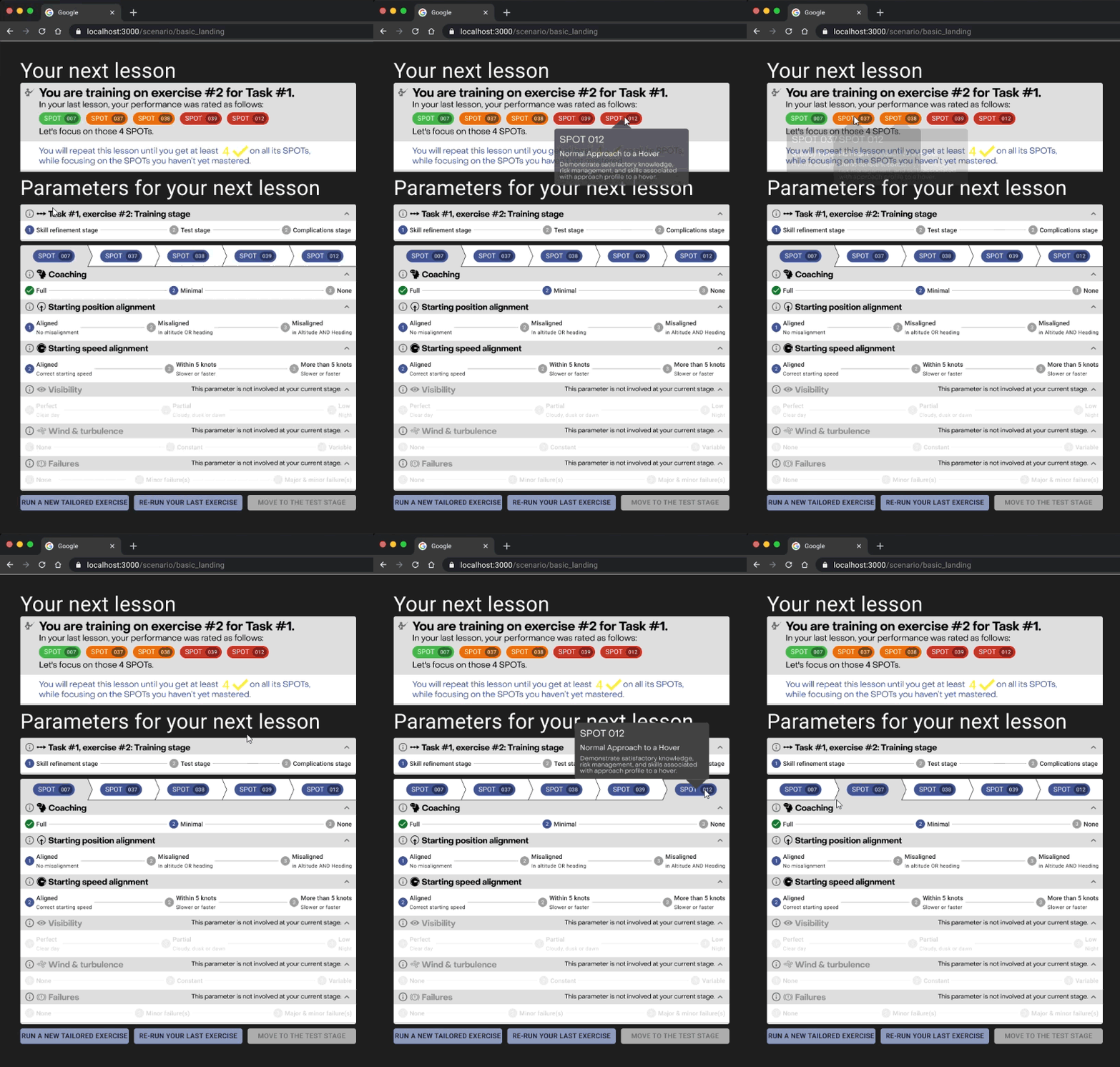
The AI-Director utilizes insights from the AI-Evaluator to guide its recommendations for targeted practice sessions for improving specific skill areas. Leveraging feedback from previous exercises, the AI-Director suggests content for the next session, focusing on areas where challenges were identified. These recommendations include adjusting task parameters such as skills and techniques to practice, environmental conditions, and the level of guidance provided by the Evaluator.
Benefits of Using Cogment Adaptive Learning for Training
The Cogment Adaptive Learning platform allows students to learn at their own pace, identifying challenging areas and receiving feedback. Rather than replacing instructors, this platform streamlines one-on-one interactions, which enables more efficient review of lessons and delivering insights at a deeper level.
Key Advantages:
- Customized learning paths: Automatically adjusts training content to target individual weaknesses, providing diverse scenarios for skill development.
- Enhanced learning outcomes: Focused on creating personalized content that improves competency development, which boosts student retention rates and overall learning outcomes.
- Optimized instructor time: Allows instructors to focus on areas that need the most attention.
- Cost efficiency: Reduces the cost associated with developing educational content by automatically generating scenarios and validating them with instructors.
- Advanced data management: Facilitates comprehensive data management, including scenario generation, student performance metrics, and tracking training progress.
Advancing Training Through Cogment Adaptive Learning
The initial evaluations of the Cogment Adaptive Learning eVTOL training system have demonstrated promising results, highlighting key advantages of data-driven approaches. Pilots participating in limited trials using simulation for landing tasks have provided valuable feedback, suggesting enhancements in user interface design, evaluation methods, and student feedback mechanisms.
STI and AIR are currently expanding the platform with diverse training modules covering the entire spectrum of eVTOL pilot training. This includes systems and procedures learning, specific maneuvers, and comprehensive flight missions. This ongoing development highlights our dedication to shaping the future of aviation training.
Elevate Your Training Experience Today
Discover the future of pilot training with our Cogment Adaptive Learning platform. Leverage the power of artificial intelligence to enhance your skills and prepare for the next era of flight.
Schedule a consultation with our team to learn how you can improve your pilot training: https://www.systemstech.com/contact/.

About Systems Technology Inc.: Systems Technology Inc. (STI) is a technology company at the forefront of innovation, specializing in aviation and simulation solutions. With a mission to advance safety and efficiency in aviation, STI develops cutting-edge technologies to meet the evolving needs of the aerospace industry.
About AI Redefined: AI Redefined is a leading applied artificial intelligence research firm dedicated to enabling human-AI alignment. The company focuses on developing RLHF solutions for various industries, including aviation, renewable energy, healthcare, and autonomous (human-machine teaming) systems, with a commitment to driving progress through innovation.