Advanced driving simulation technology from Systems Technology, Inc. will help researchers measure real-world impairment in breakthrough psychiatric and substance-use studies
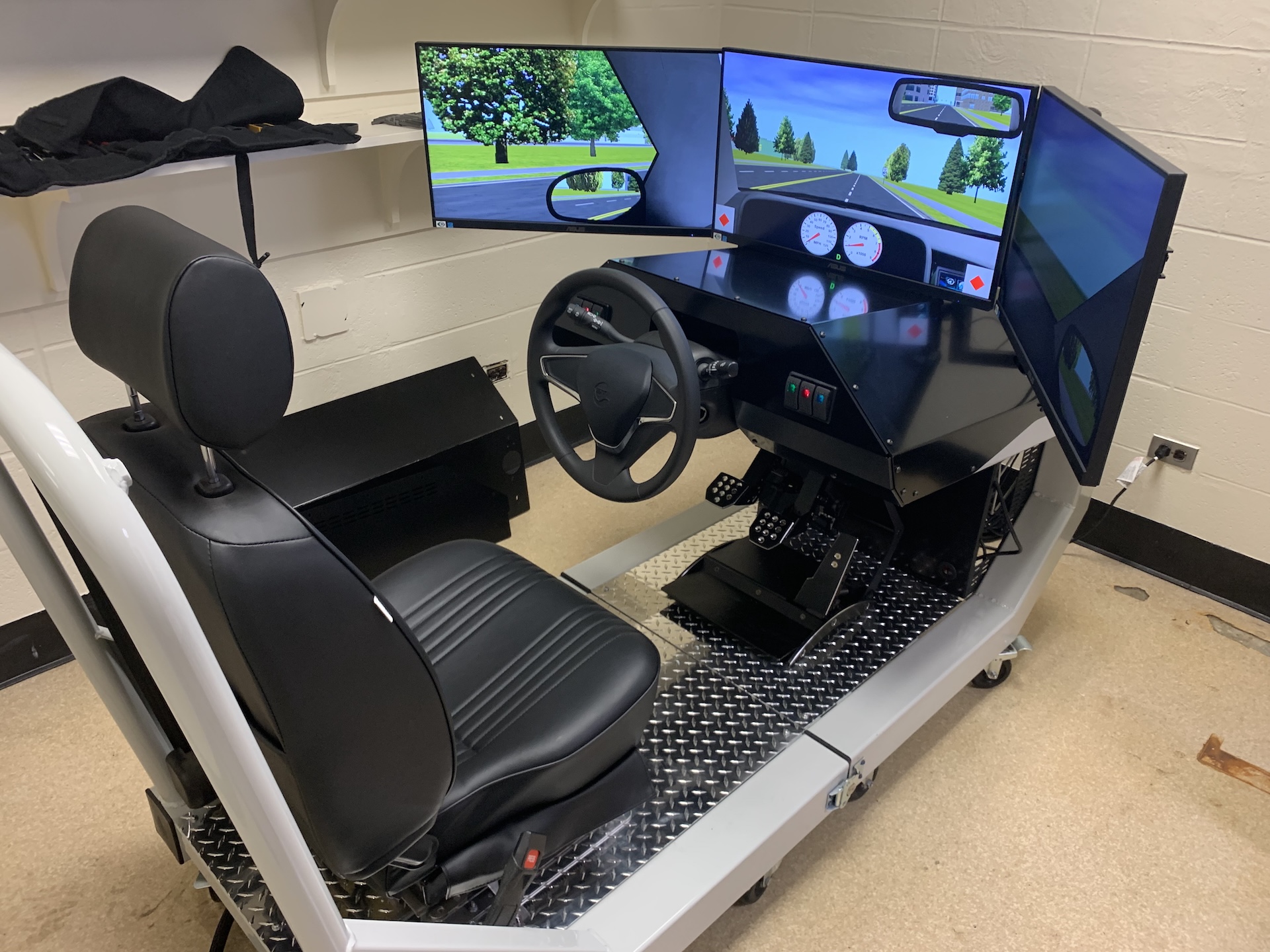
Systems Technology, Inc., a leader in advanced driving simulation technology, announced that its STISIM Drive® has been deployed at Northwell Health’s new Center for Psychedelics Research and Treatment at Zucker Hillside Hospital.
The innovative lab will study the effects of substances including cannabis, MDMA, psilocybin, and alcohol on patients seeking psychiatric care. As part of the research environment, STISIM Drive® will enable clinicians to assess functional driving impairment in a safe, controlled setting.
Psychedelic compounds are increasingly being evaluated as potential therapeutic treatments for conditions such as depression, schizophrenia, and social anxiety disorder. According to Dr. Nehal Vadhan of Northwell Health, psychedelics are entering “a new age,” shifting from recreational or stigmatized substances to potential therapeutic medicine.
As researchers explore these emerging treatments, understanding real-world impact is essential.
The STISIM Drive® simulator allows clinicians to go beyond traditional measures such as blood alcohol content or field sobriety testing. Instead, researchers can observe how substances affect reaction time, decision-making, motor coordination, divided attention, and hazard perception in dynamic driving scenarios.
“A rigorous and systematic approach to detecting both the enhancing and impairing aspects of the therapeutic and recreational use of these substances in humans is critical,” Dr. Vadhan noted the lab’s research goals. The integration of a high-fidelity driving simulator provides a more comprehensive and behavior-based assessment of impairment.
“The installation of STISIM Drive® in our lab gives us the ability to study how these substances influence real-world behaviors in a way that simply isn’t possible with traditional laboratory measures alone,” Dr. Vadhan added. “Driving is a multifaceted task that requires attention, coordination, judgment, and rapid decision-making. This simulator allows us to quantify those effects with precision, helping us better understand both potential risks and therapeutic implications.”
The Center for Psychedelics Research and Treatment also features immersive research environments, including a simulated bar setting, to study alcohol consumption under near real-world conditions. The addition of STISIM Drive® extends this into roadway scenarios without placing participants or the public at risk.
By using advanced driving simulation technology in Clinical research, Northwell Health researchers can:
• Measure impairment with precision and repeatability
• Study substance effects under standardized conditions
• Protect participant safety while gathering high-value data
• Support the development of safer treatment protocols
This collaboration highlights the growing role of simulation in behavioral health, substance-use research, and patient safety initiatives.
For STI, participation in this pioneering lab reflects a broader mission: using immersive simulation to bridge scientific exploration and real-world application.
STISIM Drive® has long been trusted by researchers, clinicians, and institutions seeking reliable, customizable driving simulation solutions. Its deployment within a leading health system’s psychedelic research center reinforces its value as a tool for advancing evidence-based medicine.
As regulatory approvals move forward and the first studies begin, the simulator will play a critical role in helping researchers better understand both the therapeutic potential and safety implications of emerging psychiatric treatments.
)
)
)
)
)
)